
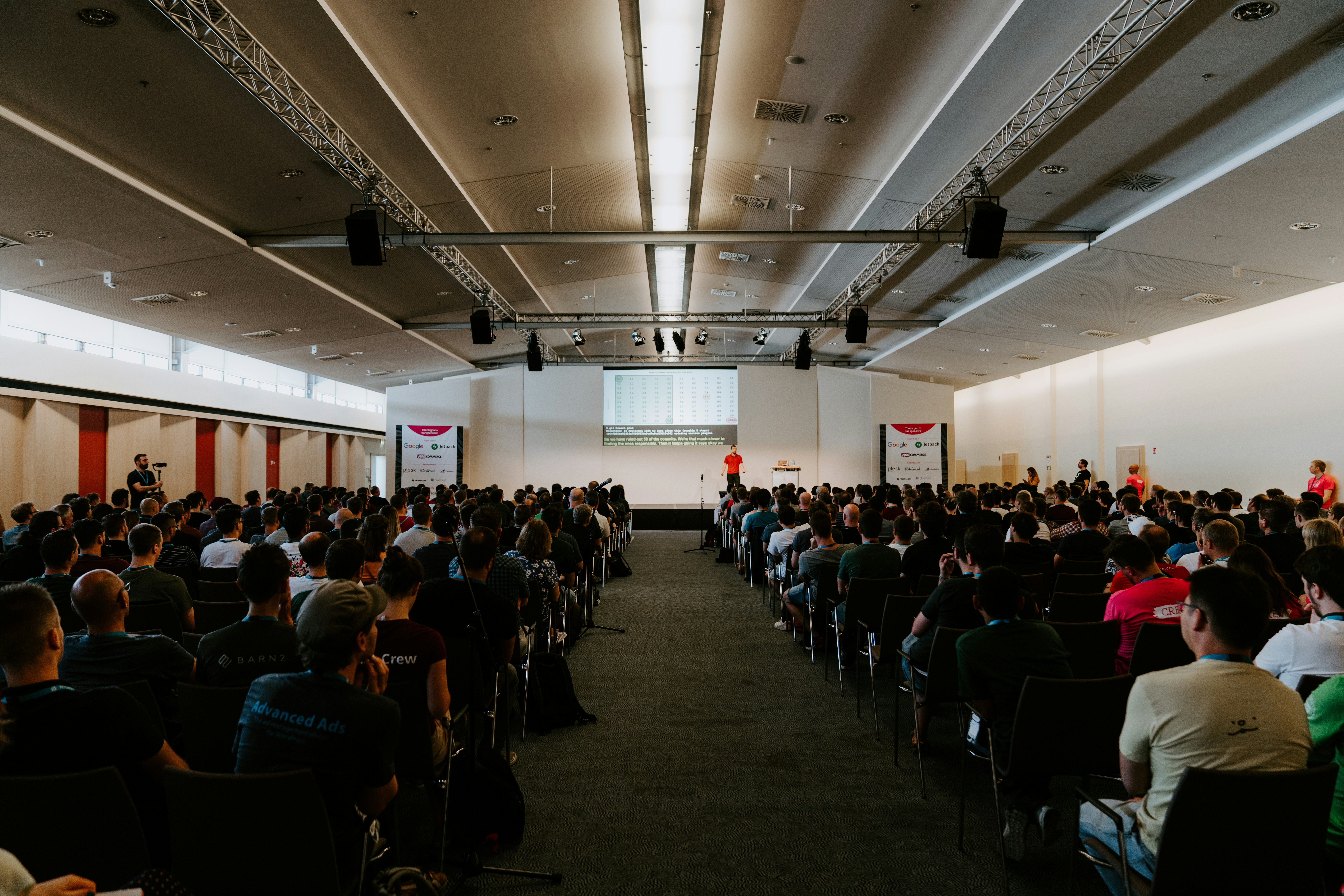
Trade shows and events have long been pigeonholed as top-of-funnel activities – places to “get your name out there,” collect a few hundred leads, and hope some convert. But this mindset undersells the true strategic value of events in modern B2B marketing. Today, B2B event strategy is pivotal in evolving gatherings into full-funnel assets that can drive impact at every stage of the buyer journey – from brand awareness to deal closure.
The shift is partly driven by rising expectations from the C-suite. In an environment where budgets are being scrutinised and marketing must justify spend across the entire funnel, events can no longer be treated as vague awareness plays. CMOs need to prove not only that events generate leads, but that they influence pipeline, accelerate sales cycles, and deepen account relationships. The good news? Events, when used strategically, can do all of this—and more.
Still a powerful top-of-funnel engine
At the top of the funnel, events still serve their traditional role as reach and awareness drivers. High-profile trade shows offer visibility within your industry, provide opportunities for thought leadership through speaking engagements, and allow you to showcase your brand in a physical, memorable way.
But even at this early stage, smart marketers are going beyond passive brand presence. Pre-show campaigns are now used to target key accounts, book meetings in advance, and ensure prospects arrive at the booth already familiar with your message. This turns events from general reach plays into targeted awareness campaigns that align with account-based strategies.
Mid-funnel trust and education
In the middle of the funnel, where buyers are researching solutions and evaluating vendors, trust becomes the currency. Events provide a rare opportunity for in-person engagement, where prospects can ask questions, see demonstrations, and interact with your team in a way that builds credibility.
This phase is less about volume and more about depth. Marketers are using tailored workshops, breakout sessions, and curated experiences to speak directly to the concerns of mid-funnel prospects. Whether it’s technical deep dives for IT buyers or ROI storytelling for procurement leads, the goal is to offer value that goes beyond what’s possible in an email sequence or gated PDF.
Accelerating late-stage decisions
For opportunities further along in the buyer journey, events can act as powerful accelerators. They give sales teams a venue to bring multiple stakeholders together—especially important in B2B deals that involve buying committees. In many cases, a single face-to-face conversation at an event can push a hesitant prospect over the line.
Some brands are using events to host private meetings, executive dinners, or exclusive previews for key accounts. This not only deepens engagement but also reduces sales cycles by fast-tracking alignment and addressing objections on the spot.
Events as customer expansion tools
One of the most underutilised aspects of event strategy is customer retention and expansion. Many marketers overlook the value of including existing clients in event plans. Inviting them to VIP gatherings, spotlighting them in panels, or gathering feedback through dedicated sessions helps reinforce the relationship—and can lead to upsells, renewals, or referrals.
Post-sale engagement at events also builds advocacy. Customers who are given the stage to tell their story become brand champions, helping you win over future prospects with authentic, third-party validation.
Rethinking event planning and metrics
To realise the full-funnel potential of events, marketers need to integrate them more deeply into the broader go-to-market strategy. That means involving sales, customer success, and product teams from the beginning—not just in execution, but in goal setting, account selection, and content planning.
Traditional event metrics like badge scans or foot traffic only tell part of the story. Today’s event strategies require more meaningful KPIs: how many meetings were booked with target accounts? How did post-event engagement differ from non-attendees? What percentage of pipeline was influenced by booth interactions?
With the right data and CRM integration, events become measurable contributors to revenue—not just isolated marketing activities.
The technology advantage
Technology is also enabling a more strategic use of events. Intent data tools help marketers decide which events to attend based on account behaviour. Onsite platforms track interactions and sync directly with CRM systems. Hybrid events expand reach and allow you to continue nurturing leads long after the venue has closed.
This tech stack integration allows marketers to map events to specific funnel goals, personalise experiences in real time, and scale engagement before and after the show.
B2B event strategy: A mindset shift for long-term value
Ultimately, getting full-funnel value from events requires a mindset shift. Marketers must stop thinking of trade shows as one-off campaigns and start viewing them as part of a longer-term engagement strategy. Each interaction—whether at the booth, in a breakout session, or during a follow-up email—is an opportunity to move buyers closer to a decision.
In-person events still offer a competitive edge in a digital-first world. But to capitalise on that edge, brands must design their event presence with purpose—tying every activity to a clear stage of the buyer journey.
Events matter because relationships matter. And in B2B, the strongest relationships aren’t forged in inboxes – they’re forged in conversation.
Want the latest B2B marketing news straight to your inbox? Subscribe to our free weekly newsletter!
Interested in sales, marketing or business skills courses and training? Check out our training partner, Learning Room.
 Whether you want to learn how to use LinkedIn, X or Facebook for marketing, or need to brush up on business skills like leadership, presentation skills or managing meetings, you will find something to enhance your professional skills with these on-demand courses.