
Hybrid events promised the best of both worlds. In-person connection, virtual reach, and measurable engagement all wrapped into one seamless experience. For B2B marketers, especially those under pressure to deliver both scale and depth, the hybrid model seemed like a strategic dream.
But three years into the hybrid boom, many brands are starting to confront an uncomfortable truth: hybrid events often underdeliver.
That’s not because the concept is flawed. It’s because the execution often is.
Too many hybrid strategies start with the wrong assumption—that an in-person event can simply be streamed online and still feel valuable. In reality, virtual audiences aren’t just physically distant; they’re experientially distant too. They have different needs, expectations, attention spans, and behaviours. Ignoring this difference is the root of most hybrid failures.
Where many B2B brands stumble is in creating parity without purpose. They aim to mirror the in-person agenda for virtual attendees, instead of designing parallel experiences that each feel intentional and complete in their own right.
Remote participants, for instance, are too often treated as passive viewers—granted access to a stage feed and a chatbox, but not much else. There’s no tailored experience, no human interaction, no sense of immersion. Meanwhile, the in-person side might suffer from bloated agendas, lack of strategic content planning, or underwhelming staging due to budget being split between two formats.
And then there’s the question of value. Hybrid events are often measured by surface-level metrics: registration numbers, live viewers, chat engagement. These say little about true outcomes. What matters to the CMO, the CRO, and the board is how that event influenced pipeline, expanded reach, and delivered demonstrable ROI. Too many teams discover, weeks after the event, that the data isn’t clean, the leads aren’t qualified, and the post-event momentum fizzles out.
The fix starts with intent
When hybrid events work well, it’s because they’re designed as two interwoven—but independent—experiences, held together by a shared narrative. The agenda is reconsidered from the ground up, with session formats and durations adapted for each audience. A keynote that holds a room for 40 minutes may need to become a 20-minute burst online, followed by a Q&A hosted by a dedicated virtual moderator. Breakouts are made exclusive to each format. VIP roundtables might happen on-site, while online attendees are invited to a follow-up virtual workshop that continues the theme.
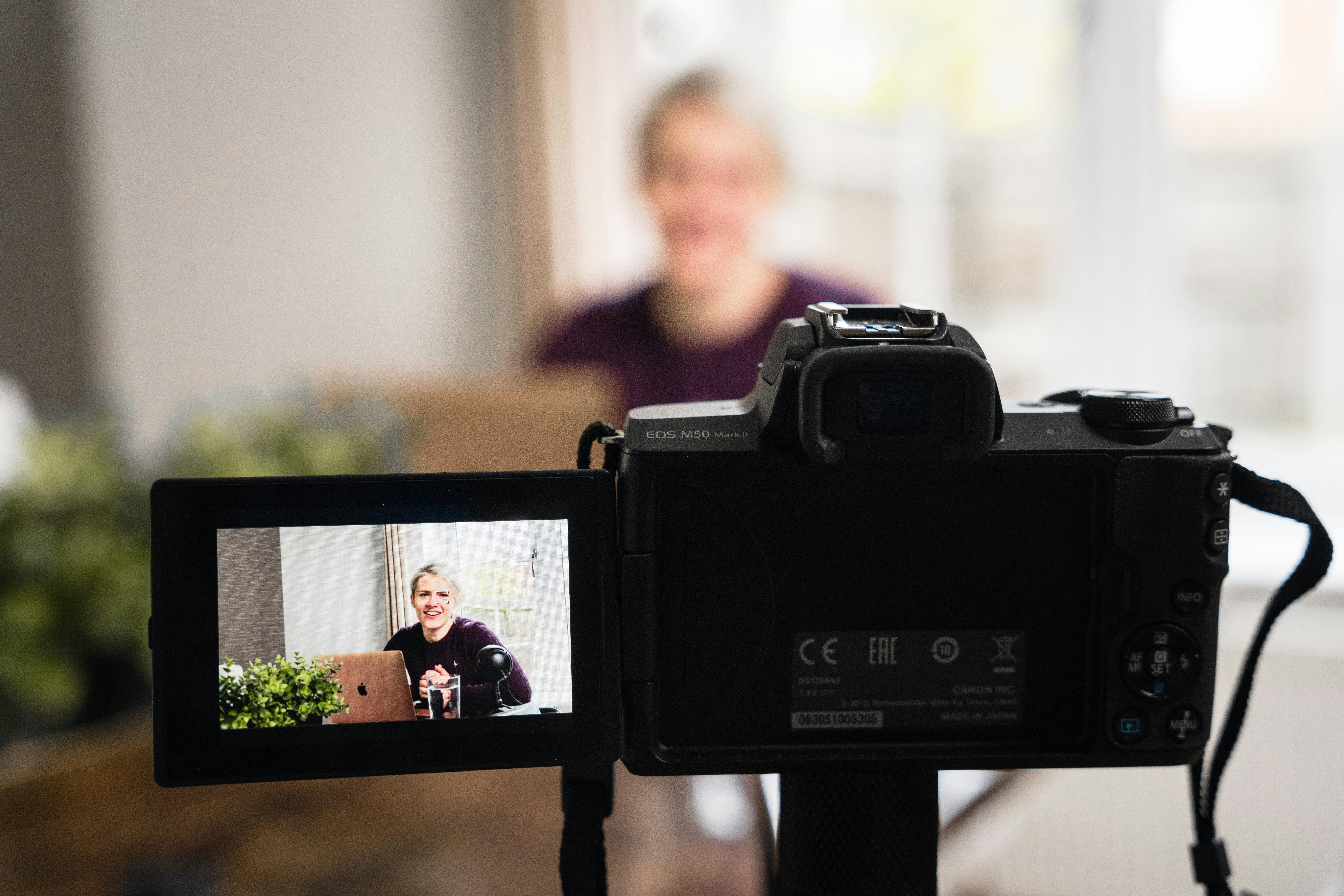
It also requires different people playing different roles. For the virtual track, brands that are succeeding appoint a digital host – not just a producer or tech coordinator, but someone who creates energy, introduces segments, and engages the audience live. Think of it as a breakfast TV presenter rather than a webinar MC. This keeps the experience human, fluid, and inclusive.
Technology helps, but it can’t compensate for a lack of human connection. The most immersive virtual experiences often come down to basics: clear comms, warm interaction, and content that respects the viewer’s time. Just because you can stream everything doesn’t mean you should. Curate. Edit. Repurpose. Make each moment count.
Then there’s the crucial question of measurement. Hybrid events should not be judged by registrations or ‘engagement minutes’ alone. They should be aligned to business outcomes. Did it create high-quality leads? Did it influence existing pipeline? Did it position your brand where it needs to be in the market?
To answer these questions, integration is key. Data from both formats—attendee behaviour, content engagement, survey results, live feedback—needs to flow into your CRM and marketing automation platforms. And that means planning your tech stack and data structure before the event, not after.
Finally, the long-tail value of hybrid events is still massively underused. The event itself should be the beginning of your content engine—not the end. Smart B2B teams are turning sessions into articles, panels into podcast episodes, Q&As into social snippets, and keynote soundbites into newsletter themes. In doing so, they extend the reach of their event far beyond the day itself—and extract much more value from every speaker and story.
Hybrid isn’t going away. In fact, for most global B2B brands, it’s now the default. But success isn’t just about scale or tech – it’s about experience, empathy, and execution.
Marketers need to stop thinking of hybrid events as two formats serving one audience. They are two separate audiences with different needs, who just happen to be engaging at the same time. Respect that difference, plan accordingly, and your hybrid event will not only feel more cohesive – it’ll perform better too.
Want the latest B2B marketing news straight to your inbox? Subscribe to our free weekly newsletter!
Interested in sales, marketing or business skills courses and training? Check out our training partner, Learning Room.
 Whether you want to learn how to use LinkedIn, X or Facebook for marketing, or need to brush up on business skills like leadership, presentation skills or managing meetings, you will find something to enhance your professional skills with these on-demand courses.